Desert turban – why and how to wear it

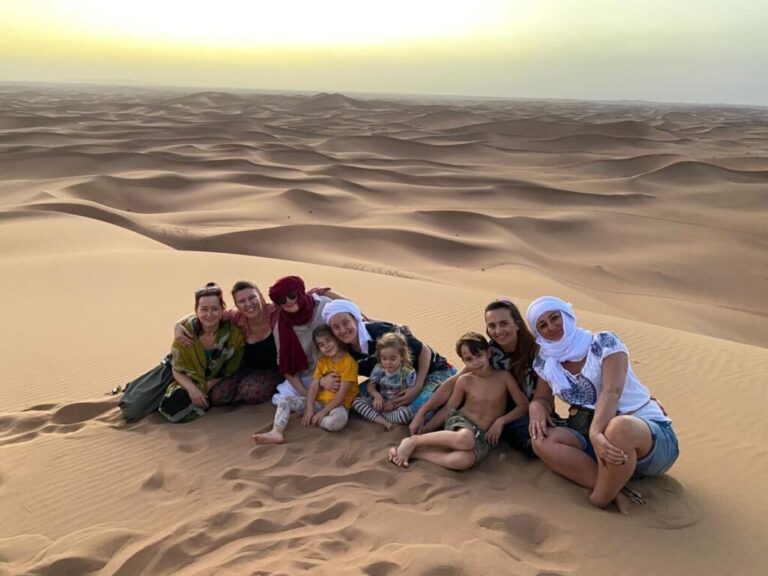
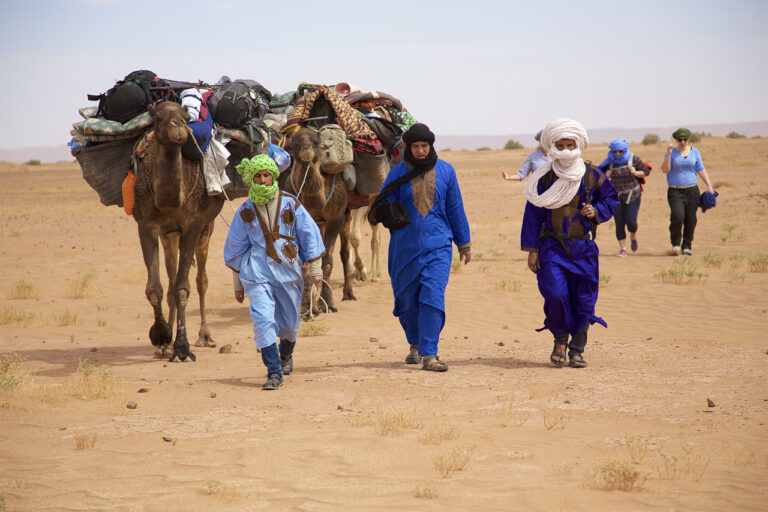
When visiting the Sahara, one thing becomes immediately clear: nearly everyone wears a desert turban. From children to elders, locals wrap long scarves around their heads—not just as a fashion statement, but as a centuries-old form of sun protection and cultural identity.

Why wear a desert turban?

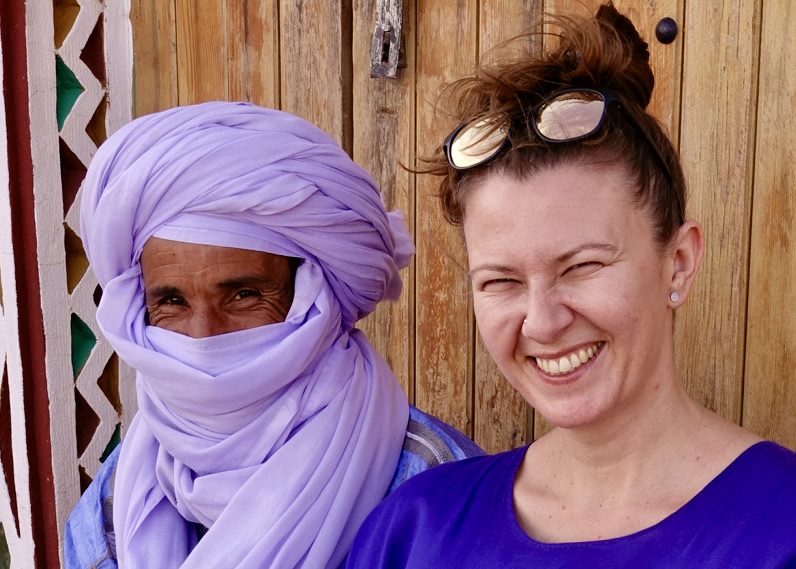
The desert sun is no joke. It scorches, blinds, and dehydrates. Add wind and swirling sand, and your face and neck need serious coverage. That’s where the desert turban comes in. Known locally as the cheche, it’s a long cotton scarf that nomads wrap around their head and face in layered folds.

Wearing a desert turban:

  • Protects your head, neck, and face from direct sun exposure
  • Shields your mouth and nose from dust and sand
  • Creates shade and a cooling effect
  • Makes you look like a desert native (and adds a cool travel photo moment)

Planning a trip to Morocco?
Contact us to create your perfect Morocco tour.

Discover hidden spots, local culture and authentic experiences tailored to your travel style. We organize private and group trips across Morocco with trusted local guides. Tell us what you dream of — we’ll turn it into a unique journey you’ll never forget.

The turban as a local signature – why do nomads wear turbans?

Turbans are not only practical; they’re also deeply cultural. Their colors, lengths, and the way they’re tied often reveal where a person comes from. Deep blue? That’s typical of Tuareg men. Light beige? A common choice in the Draa Valley.

Interestingly, during the hottest months of the year, nomads may wear cheches up to 15 meters long, wrapping their heads and faces in multiple layers to maximise sun protection. For everyday use, especially in cooler seasons, the standard turban length is usually around 10–12 meters—a style you’ll frequently see around M’hamid.

During our desert tours, you can not only buy your own scarf in a local shop or directly from us, but also learn how to tie it—from someone who’s been doing it since childhood.

How to choose the right desert scarf

Look for a long cotton scarf (at least 3–4 meters, more in the warmer months like May or September). Cotton is breathable, absorbent, and keeps your head cool. Avoid synthetics—they trap heat and block airflow.

Want to go full nomad? You can buy your own desert turban in local shops and learn to tie it properly at our camp in M’hamid.

Add a desert turban to your packing list

Don’t underestimate it—a desert turban is one of the most useful things you can bring to the Sahara. Also, it is multifunctional! We hear from our customers that on desert tours the turban serves as a comfy pillow, or a soft cover during afternoon siesta in the shade of a tree.

If you have a favourite scarf, bring it. If not, you’ll find plenty here. Functional, beautiful, and a meaningful way to connect with local culture.

Because sometimes the best travel gear is what people have been using for hundreds of years—tested by wind, sun… and time.

Inspired? Check out our guide:

Desert Stories - Agata & Mohamed

Mohamed grew up in M’hamid El Ghizlane, guiding camel caravans and 4×4 expeditions for over 20 years. Agata joined after falling in love with the desert’s silence, culture, and authenticity. Together, we created Desert Stories and Desert Camp Chraika — an eco-friendly, locally rooted camp. Our mission is simple: to share the real Sahara through meaningful, safe, and honest desert experiences.

about us
Table of contents

Read more

Create a Fully Tailored Experience

Choose from our highest-rated tours crafted for unforgettable memories, or design a custom trip that matches your interests, pace and style. Whether you want nature, culture or adventure — we’ll shape the perfect itinerary just for you.