

Discover Authentic Moroccan Cuisine at Desert Camp Chraika
Welcome to our nomadic restaurant — where every meal tells a story of the Sahara.
At Desert Camp Chraika, food is not just part of your stay — it’s an unforgettable experience that connects you with Moroccan culture and the spirit of the desert.
Our guests enjoy authentic Moroccan cuisine prepared over an open fire, surrounded by golden dunes, under the vast Saharan sky.
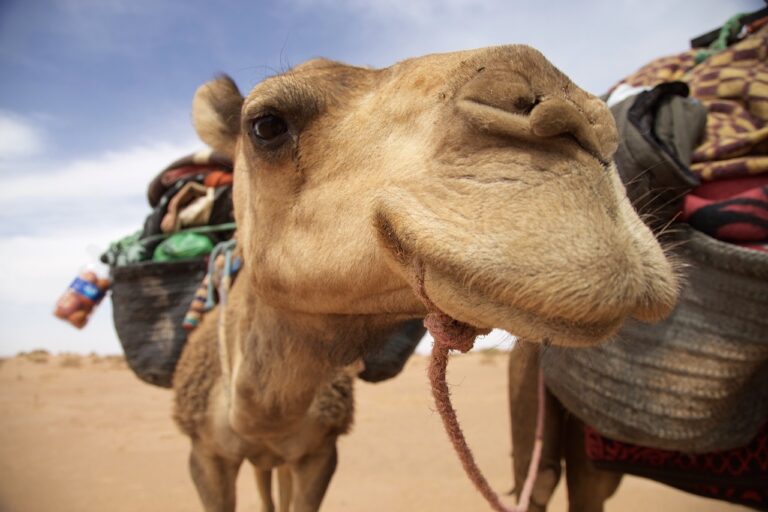
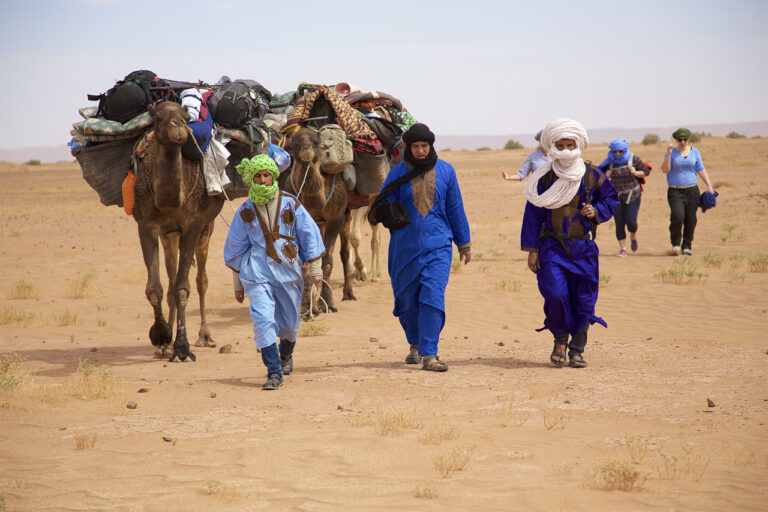
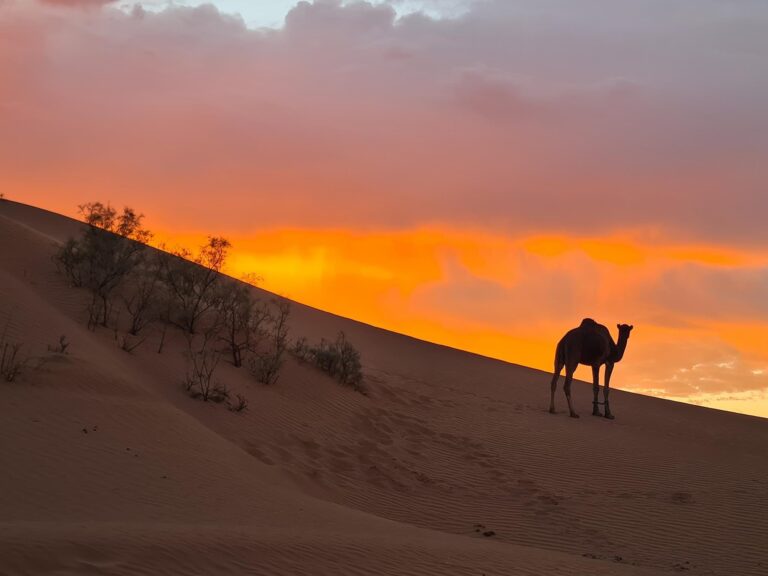
The Sahara Desert stands out as one of Morocco’s most iconic attractions. Its endless golden dunes, star-filled skies, and timeless silence create an unforgettable experience. Embarking on a desert tour allows travelers to immerse themselves in Berber traditions, ride camels across sweeping sands, and witness stunning sunrises and sunsets—making it a must-do adventure for anyone visiting Morocco.
Locations
Desert Camp Chraika, Mhamid 47402, Maroko
Our Restaurant in the Heart of the Sahara
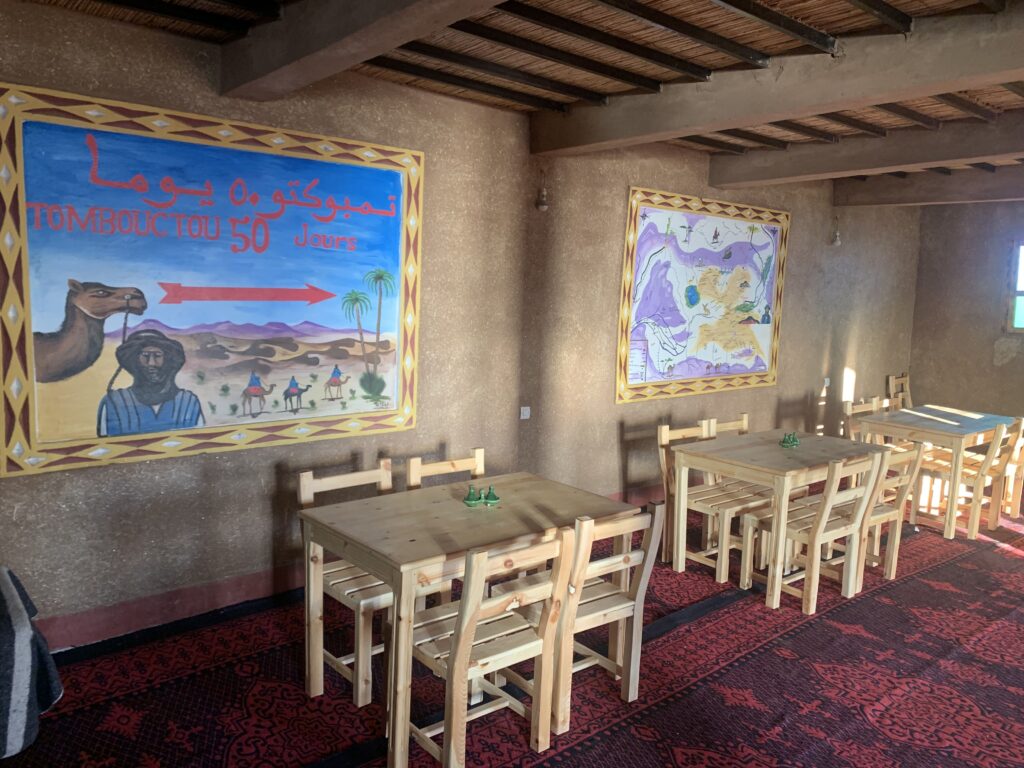
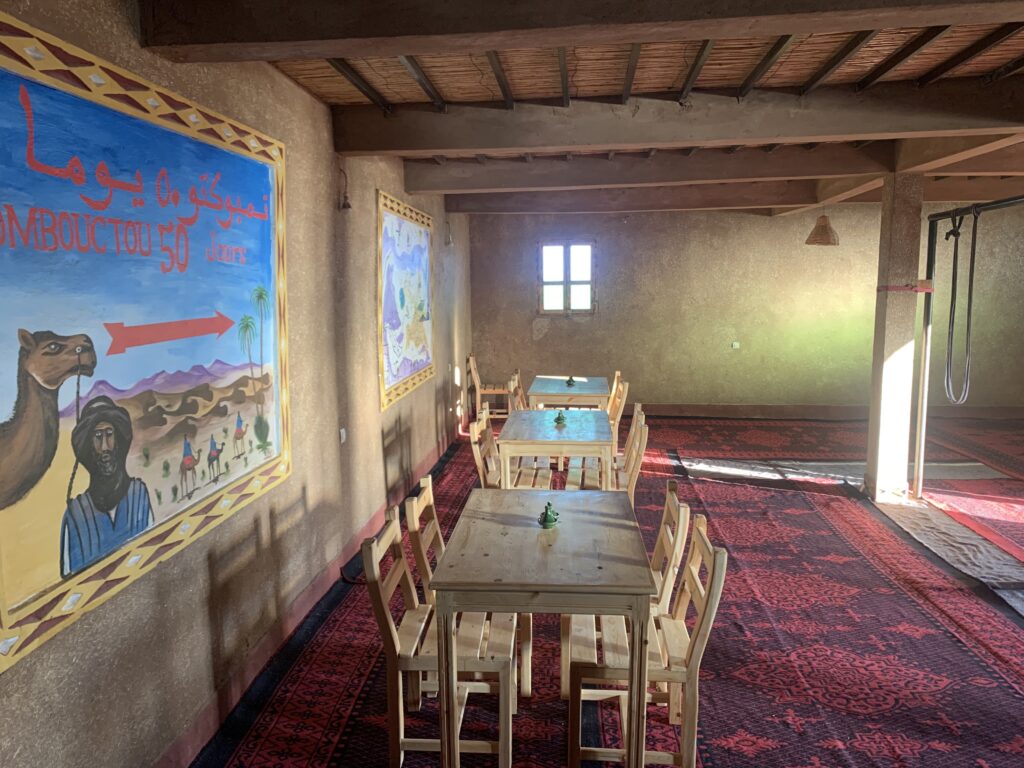
Our restaurant is more than just a place to eat — it’s a living experience of traditional Moroccan food and nomadic hospitality.
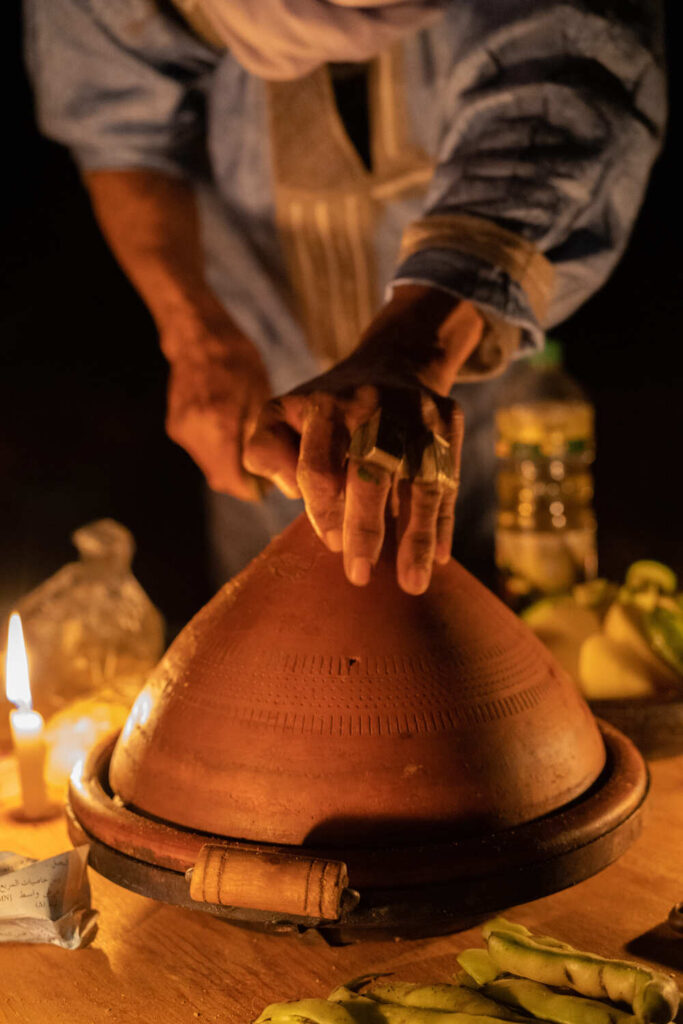
We cook not only in our clay kitchen at the camp, but also outdoors, lighting fires among the dunes just as the desert tribes have done for centuries.
Every dish is homemade and full of soul: from slow-cooked tajines and harira soup to bread baked directly in the hot sand.
You don’t need to stay overnight to dine with us — outside guests are welcome too!
Just remember to book in advance, as every meal is prepared from scratch with ingredients we buy fresh the same day.
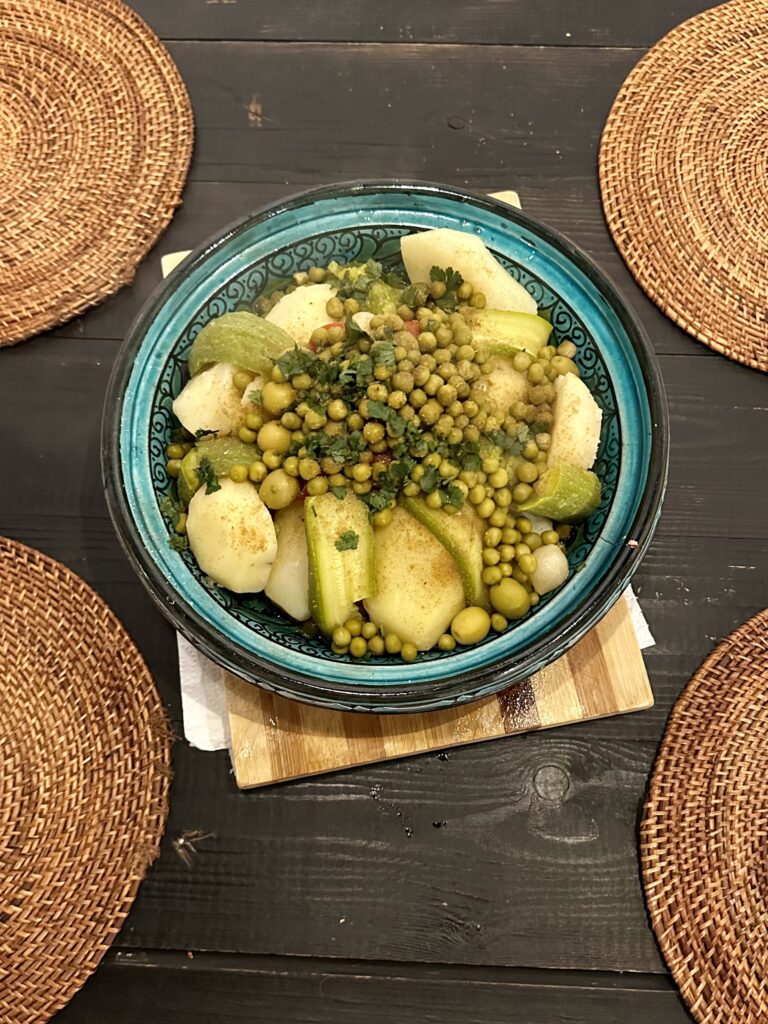
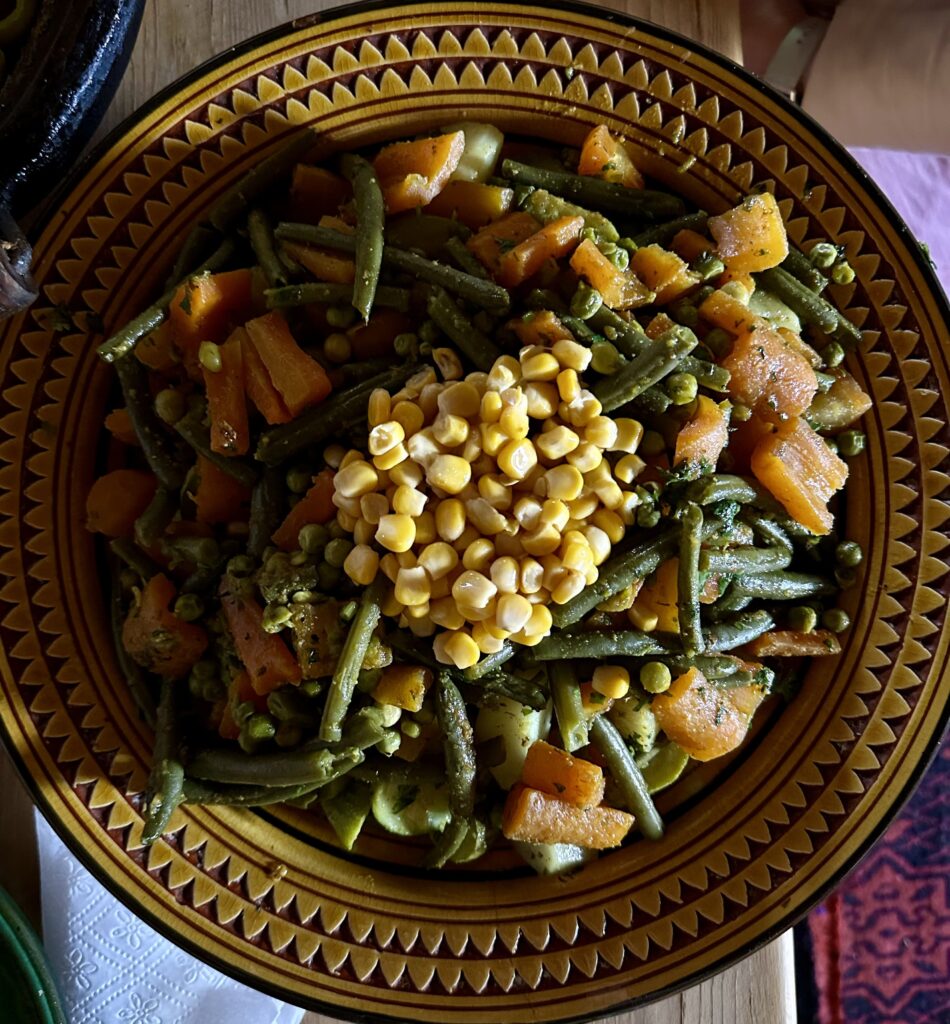
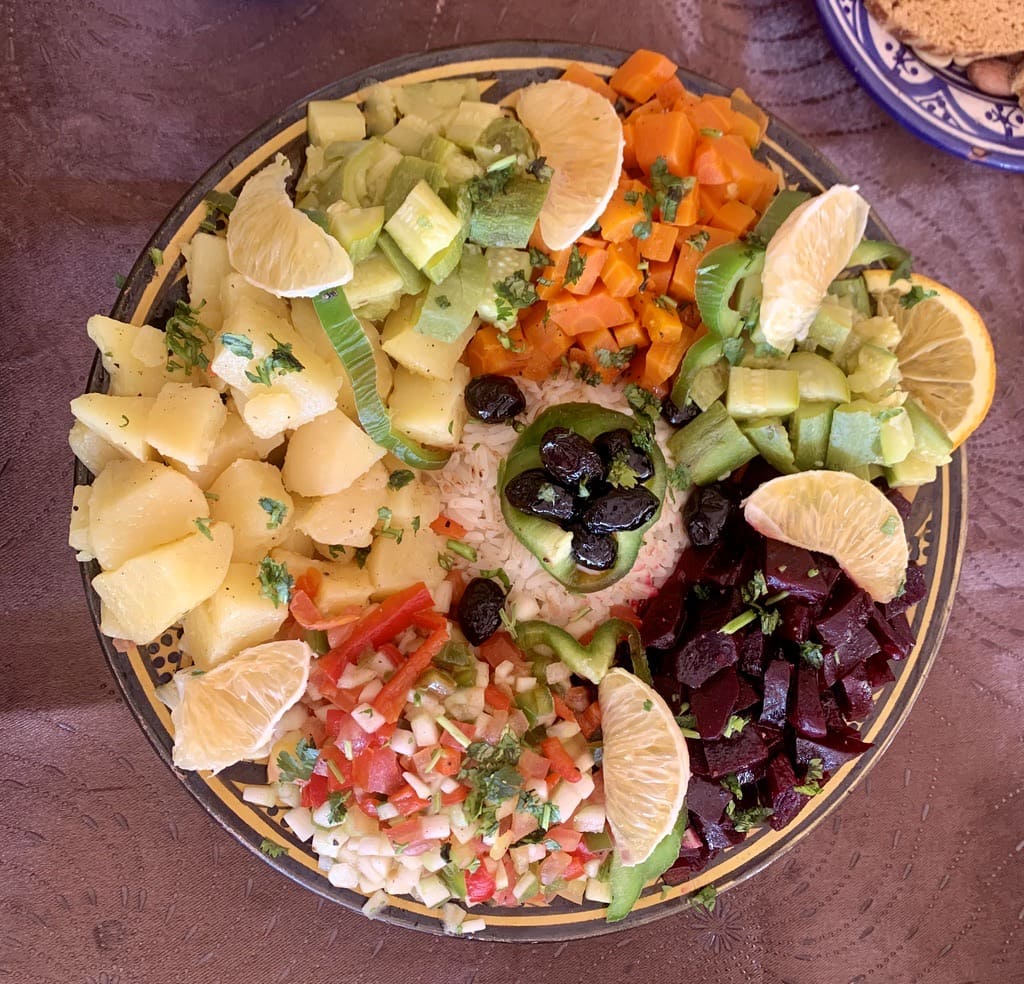
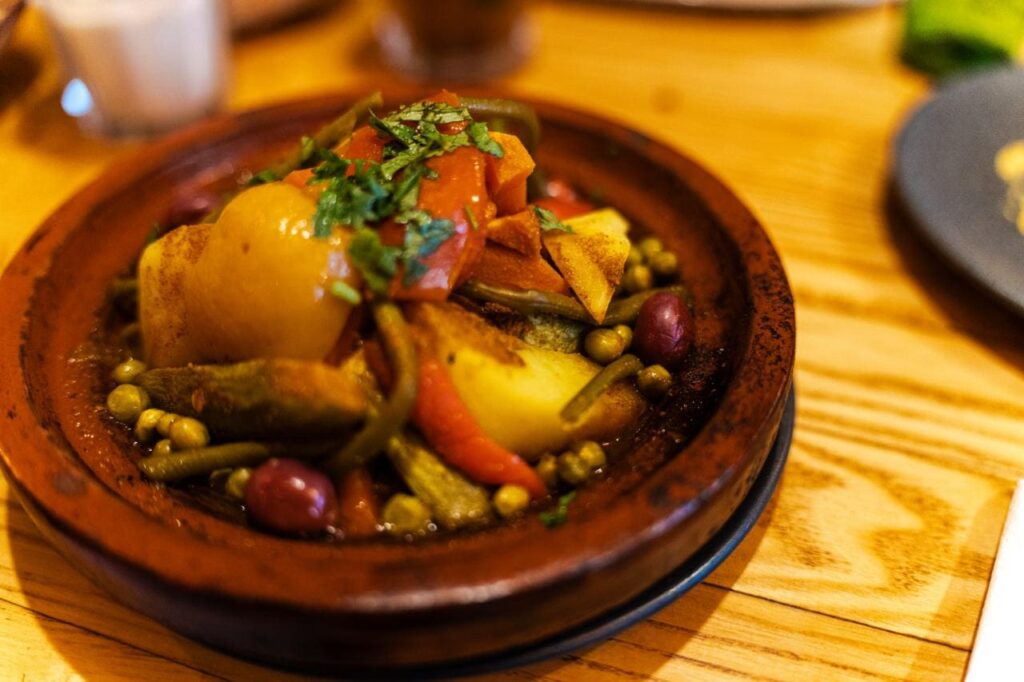
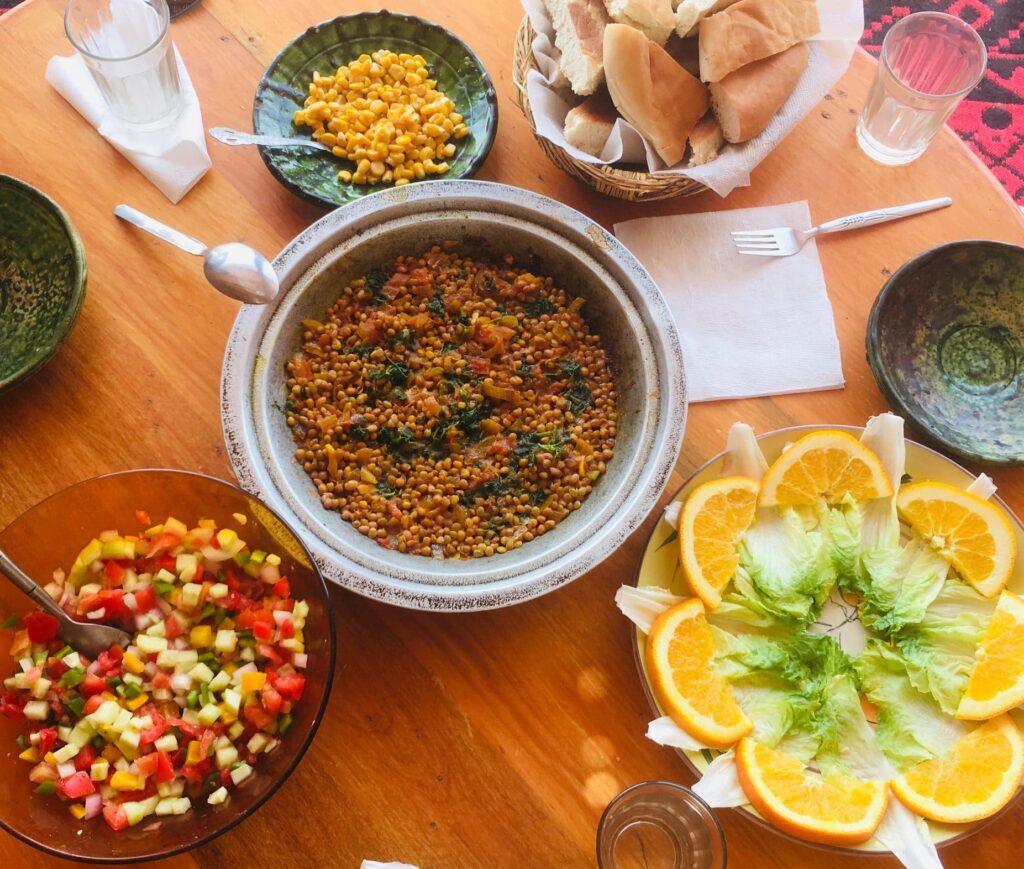
Traditional Moroccan Food – Simple, Flavorful, and Full of Soul
Simplicity defines the beauty of Moroccan cooking.
Our meals are prepared slowly, with care, and shared together — just like in Berber homes.
Expect rich flavors, a blend of sweet and savory, and the comforting aroma of spices filling the desert air.
Each meal is made with respect for both tradition and your preferences, ensuring everyone enjoys the full Moroccan culinary experience.
Our Signature Dishes and Daily Menu
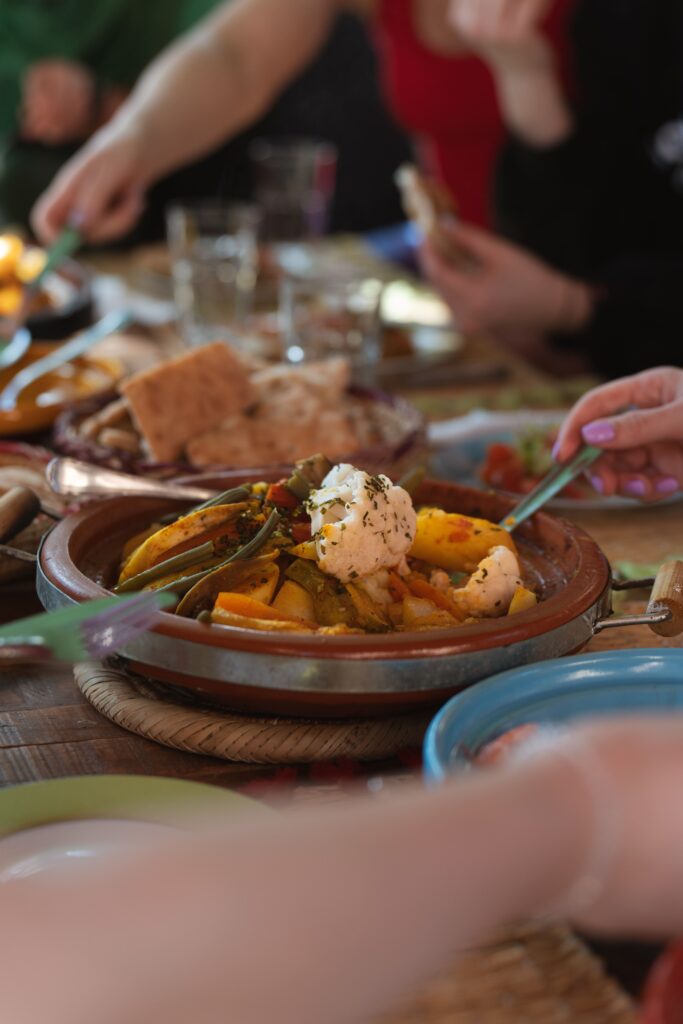
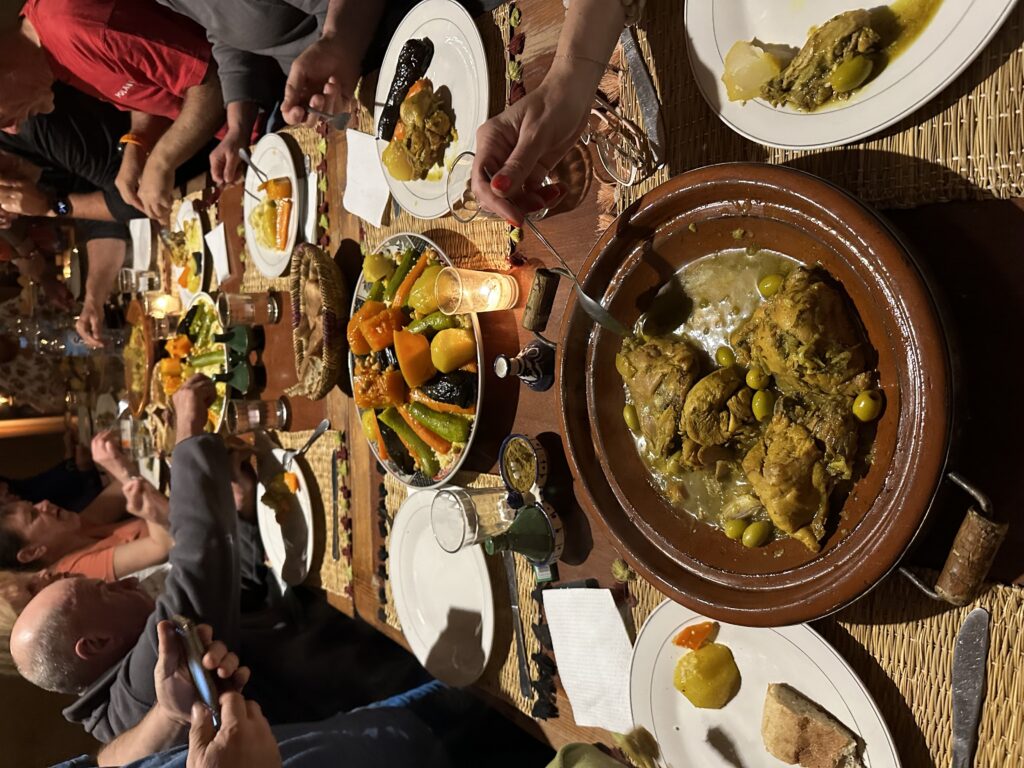
Slow-cooked to perfection with Moroccan spices, the tajine bursts with rich aromas and tender meat or vegetables. Served hot in traditional clay pots, it’s a true symbol of desert comfort food.
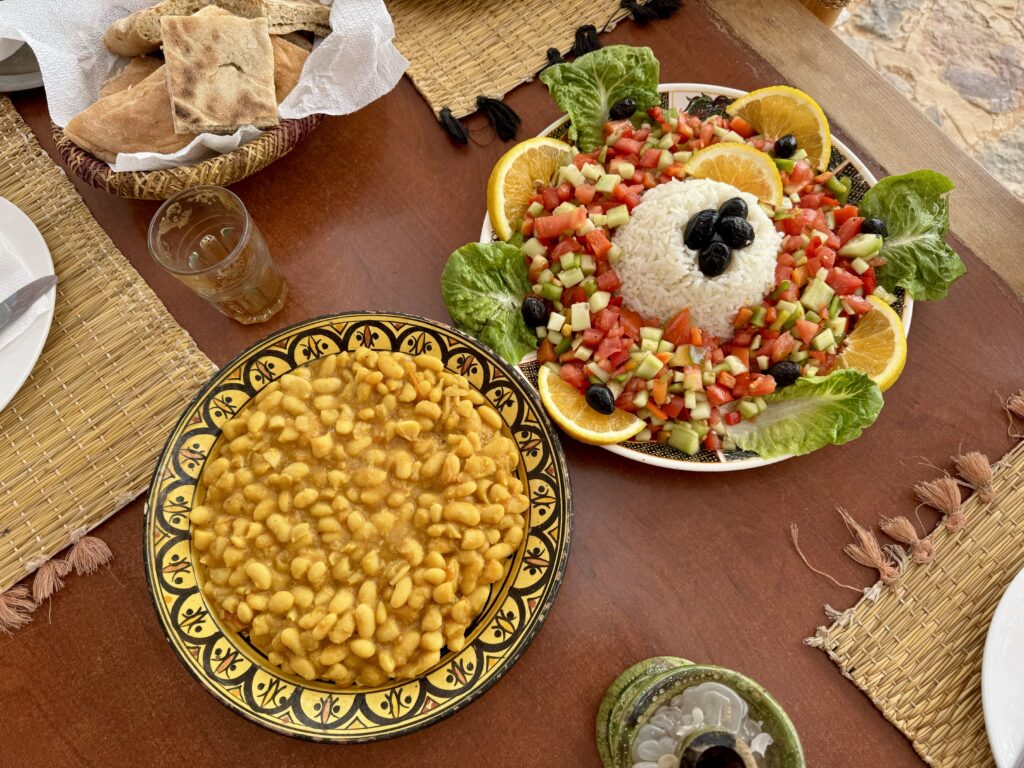
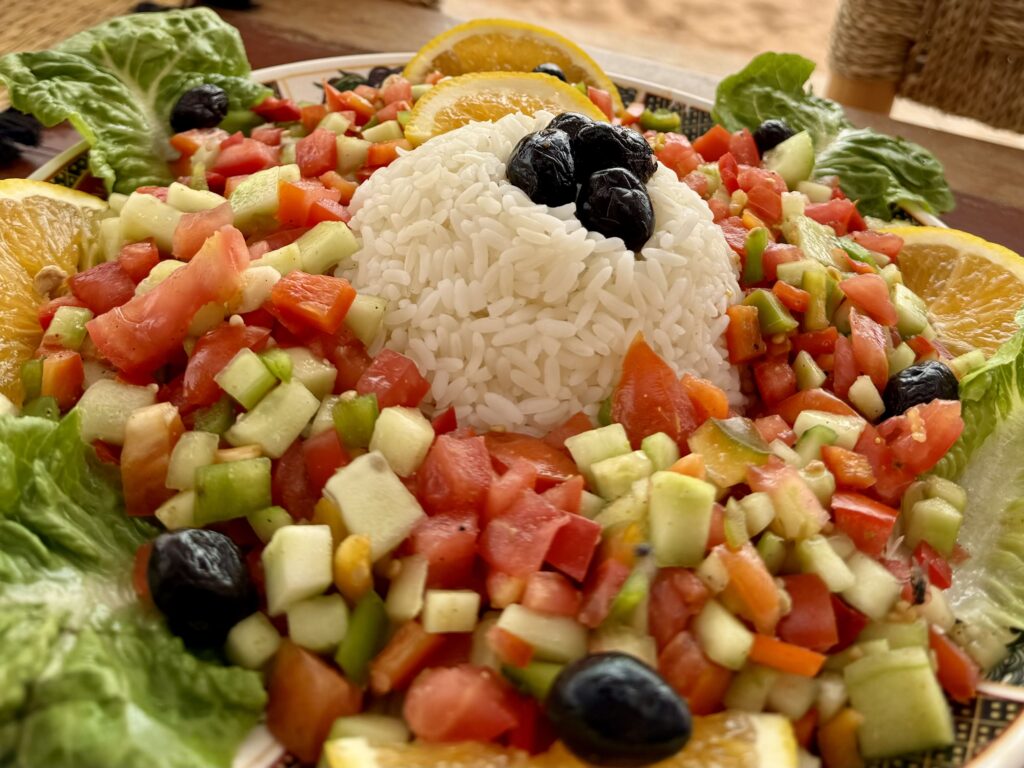
Steamed to a light, fluffy texture and paired with fresh, colorful vegetables. This dish is often enjoyed with a drizzle of olive oil and a hint of cumin for an authentic Moroccan flavor.
A hearty blend of tomatoes, lentils, and chickpeas, often served to break the fast during Ramadan. Its warm spices and rich texture make it the perfect start to any meal in the desert.
Baked directly under the hot desert sand, this bread has a unique smoky aroma and rustic crust. It’s soft inside, ideal for scooping up tajine or dipping into olive oil.
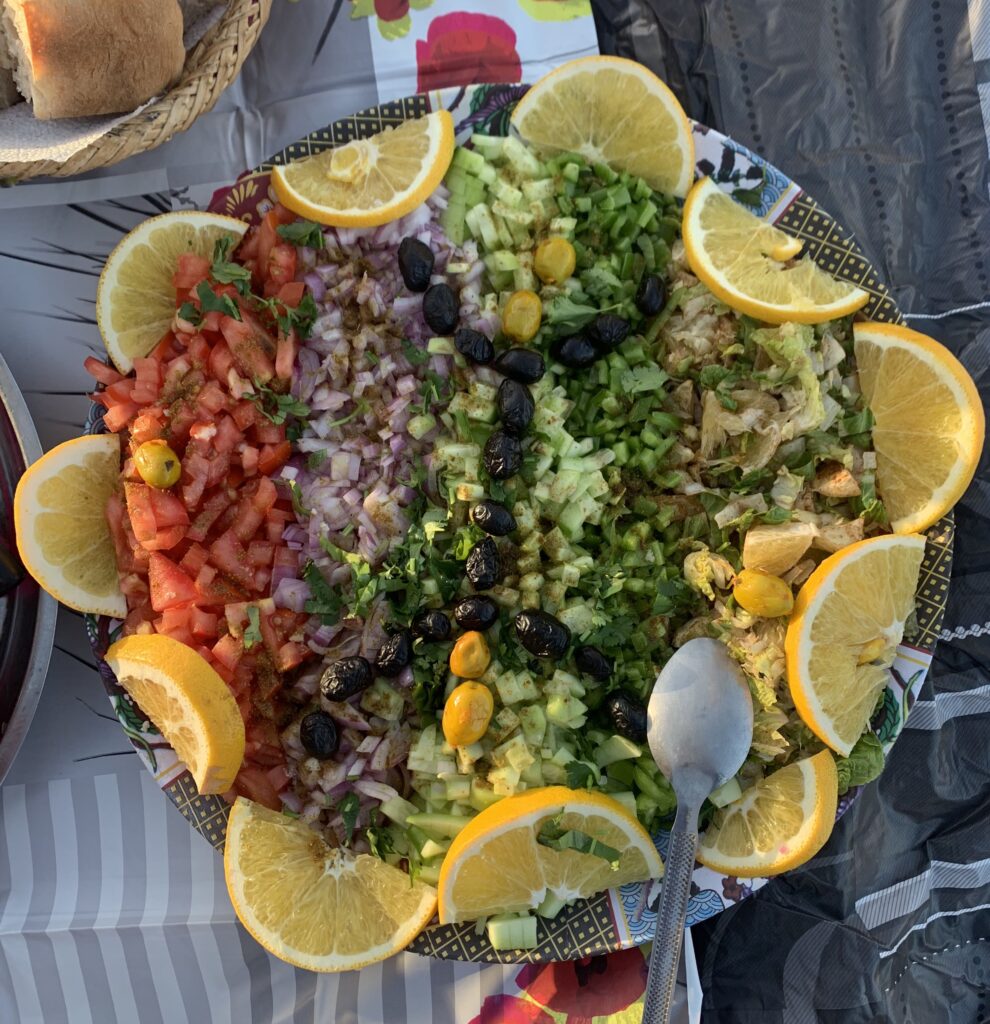
Made with fresh tomatoes, cucumbers, and herbs from local gardens, these salads bring brightness to every table. The drizzle of pure olive oil enhances the natural flavors and freshness of each bite.
Would you like to learn how to cook them yourself?
Join our Moroccan cooking class, where you’ll prepare tajine over an open fire, bake bread in the sand, and enjoy your meal surrounded by desert silence.
Meals are shared together at large tables or on mats under tamarisk trees — it’s not just food, it’s a part of your desert story.
Traditional Pastries and Sweets in Moroccan Cuisine
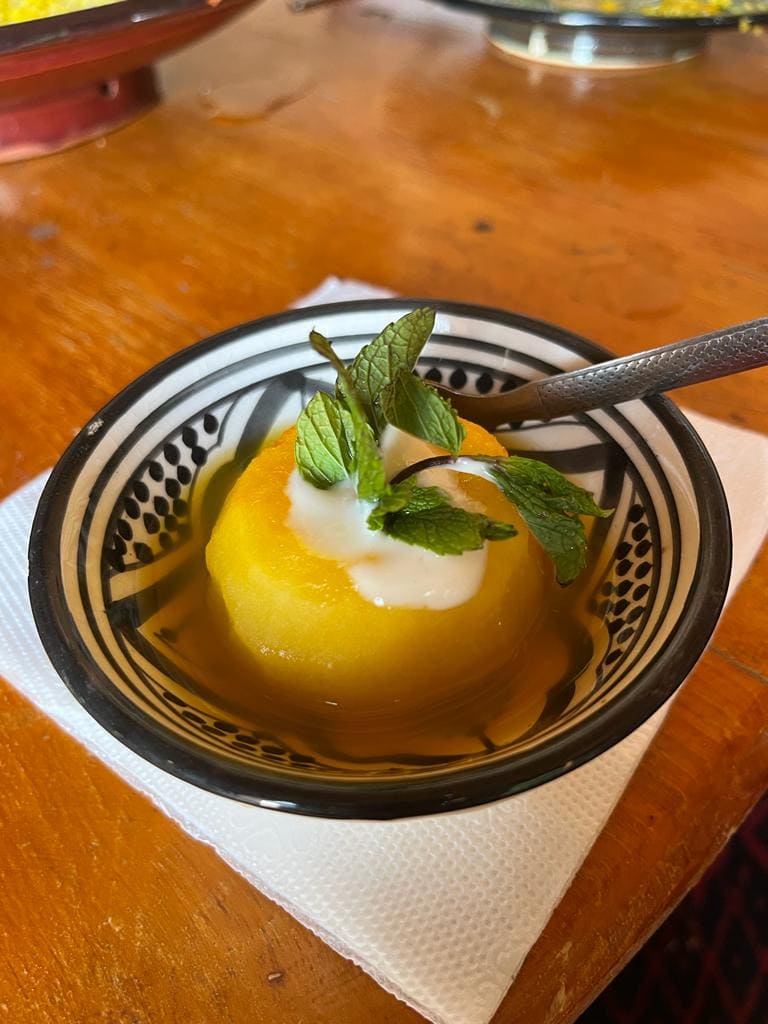
Moroccan cuisine is not only famous for its savory dishes but also for its delightful array of traditional pastries and sweets. These treats play an important role in Moroccan traditional food culture, often appearing at celebrations, family gatherings, and religious holidays.
Gazelle Horns
Another classic Moroccan sweet is Gazelle Horns (known locally as "Kaab el Ghazal"). These crescent-shaped cookies are filled with a fragrant almond paste flavored with orange blossom water. Their delicate flavor and unique shape make them a favorite at weddings and festive occasions.
Chebakia
One of the most beloved desserts in Morocco is Chebakia. This flower-shaped pastry is made from strips of dough that are deep-fried and coated in honey and sesame seeds. Chebakia is especially popular during Ramadan, when it is served alongside harira soup as part of the evening meal.
Ghriba
Ghriba is another staple of Moroccan dessert tables. These crumbly cookies come in many varieties, often made with almonds, coconut, or semolina. Ghriba are enjoyed with mint tea and are a perfect example of how Moroccan traditional food combines simple ingredients to create irresistible treats.
What Our Guests Say About the Food
Our guests often say that dining at Desert Camp Chraika is one of the highlights of their Morocco adventure.
It’s not just about the flavors — it’s about the warmth, hospitality, and authenticity that make every meal unforgettable.
“If you are looking for an authentic desert experience then look no further. The kindness and hospitality showed to me by Moha, his wife Agata, Ibrahim and everyone I met during my time there was second to none. The tea and the food were excellent — bread baked in hot sand, tajine cooked on the campfire, and dinner under a canopy of stars.”
“My advice: go ahead with your eyes closed. Mohamed, Brahim, Ali and Moustapha prepared us for two wonderful days in the desert. We had a great time and were able to taste the hospitality of nomads. The meals were delicious — truly traditional Moroccan food cooked with heart and served by people full of kindness and joy.”
Guests especially love the combination of traditional Moroccan dishes, nomadic-style dining, and fresh, locally sourced ingredients. Whether it’s tajine cooked over open fire, herbal tea under the stars, or bread baked in the sand, every bite tells a story of Morocco’s desert soul.
Locally Sourced and Sustainable Ingredients
At Desert Camp Chraika, freshness is everything.
We source our vegetables, fruits, and herbs directly from the local market in M’hamid, held every Monday.
Because all dishes are made from ingredients purchased that day, we kindly ask guests to order meals at least 2 hours in advance — this allows our team to buy, prepare, and cook everything with care.
Our kitchen is 100% local — run by Moroccan chefs who follow traditional recipes and cooking techniques passed down through generations.
This approach supports local farmers, reduces waste, and ensures that every bite you taste is authentic, sustainable, and full of desert flavor.
What Makes Moroccan Food Unique
Moroccan cuisine is a mosaic of cultures — Berber, Arab, Andalusian, and French influences blend into one unforgettable flavor profile.
You’ll find a balance of sweet and spicy, tender meats, slow-cooked vegetables, preserved lemons, and aromatic spices like cumin, saffron, and cinnamon.
Regional differences also play a role:
– simpler, nomadic recipes with open-fire cooking.
– more Mediterranean flavors with olives and seafood.
– rich stews and hearty soups for cooler climates.
Frequently Asked Questions
About Our Moroccan Cuisine
01
How long do I need to wait for my food?
02
Where is the restaurant located?
03
Can I visit the restaurant without staying at the camp?
04
Can I take part in a Moroccan cooking class?
05
Do you serve alcohol?
How can I make a reservation?
To book your table or cooking class, simply contact us via contact form: