Moroccan culture & history – discover the soul of Morocco

To truly understand Moroccan culture, you must experience its stories, traditions, and timeless art forms.
This section of our Morocco Travel Guide explores the rich heritage, customs, and history that make Morocco so unique — from ancient dynasties and desert rituals to the flavors of mint tea and the rhythm of Berber drums.
Whether you’re curious about the origins of the tajine, the beauty of zellij mosaics, or the meaning of Ramadan, you’ll find fascinating insights and guides right here.

Ramadan travel in Morocco: what to expect and how to prepare

Exploring Morocco during Ramadan: a journey of culture, cuisine, and spirituality Ramadan in Morocco...

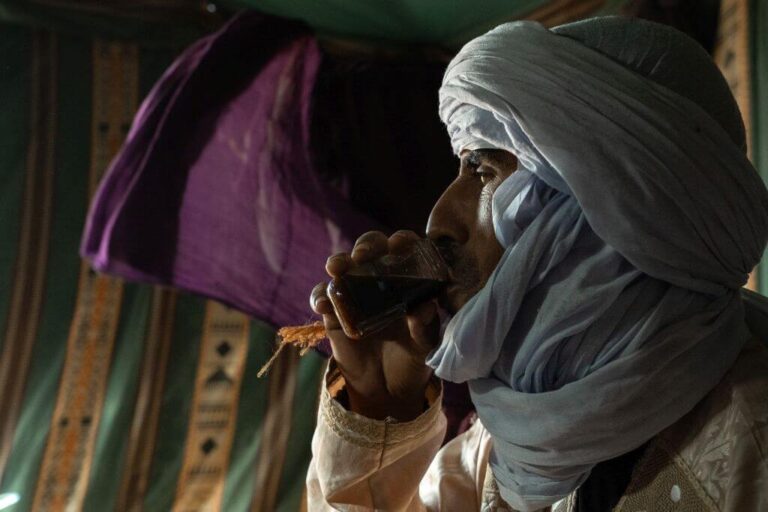
Moroccan tea: tradition, preparation and culture

The history of Moroccan tea Drinking Moroccan tea is a sensory journey, transforming a...

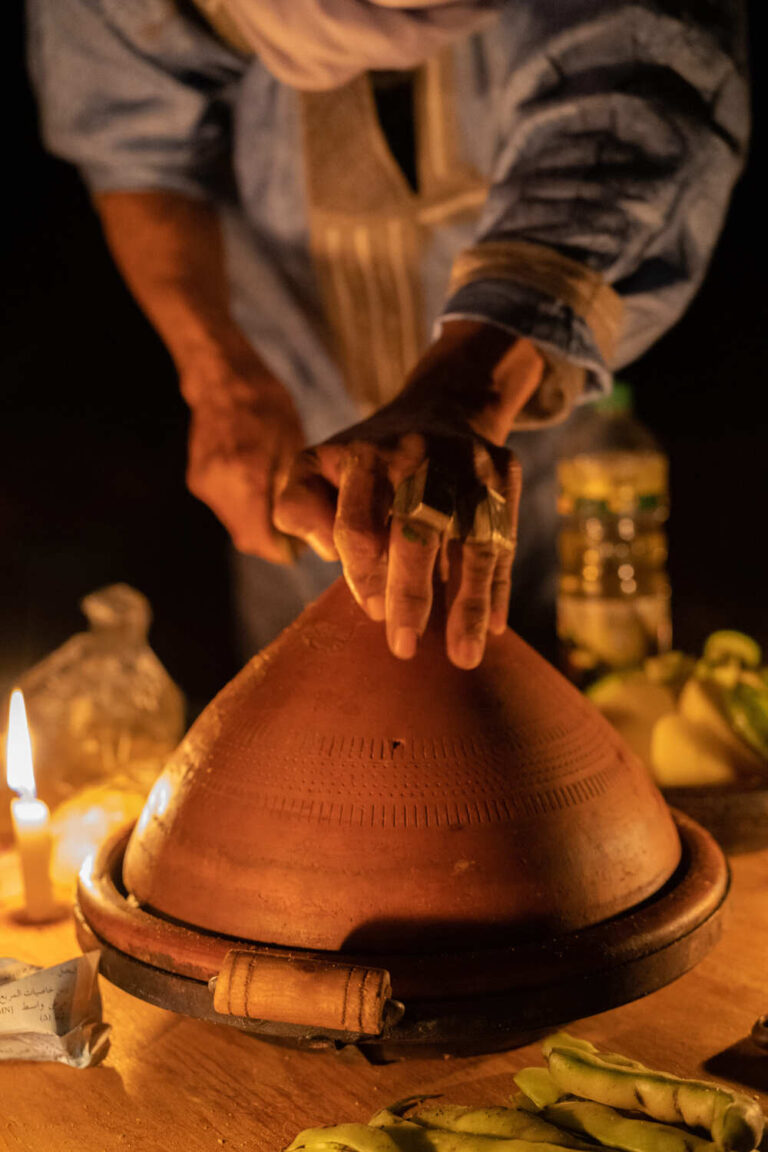
What is tajine and its cultural significance

Glimpse into origins Tajine, named after the distinctive clay pot used for cooking, is...

Explore more about Moroccan culture

Dive deeper into our collection of articles and discover how tradition and modernity coexist in Morocco. Read about:

01

History and heritage

Uncover the fascinating history of Morocco — from the days of the Phoenicians and Romans, through the Almoravid and Saadian dynasties, to the influences of Andalusi culture and the French protectorate.
Discover how Morocco’s past has shaped its architecture, religion, and national identity.

02

Architecture and design

Morocco’s architecture reflects centuries of cultural blending.
From the intricate zellij tilework and carved stucco of riads to Andalusi gardens and Moorish arches, every element tells a story of craftsmanship and tradition.
Our posts explore how design and artistry define everyday life across Moroccan cities and desert towns.

03

Arts, crafts and creative expression

Music, crafts, and storytelling are the heart of Moroccan culture and traditions.
Learn about Amazigh weaving, Andalusian music, traditional jewelry, and the rebirth of contemporary Moroccan art.
Each region — from Marrakech to the Sahara — keeps its own artistic soul alive through color, rhythm, and creativity.

04

Cuisine and culinary heritage

Food in Morocco is more than sustenance — it’s a form of connection. From tagine and couscous to mint tea ceremonies, each dish reflects family, hospitality, and history. Discover the cultural meaning of tajine, join a cooking class, and learn how food brings people together across generations.

05

Etiquette, hospitality and social customs

Moroccan life revolves around respect, warmth, and community.
Here you’ll learn about greeting customs, modest dress, dining etiquette, and how hospitality is expressed in everyday life.
These insights help travelers experience the true culture of Morocco, not just its tourist image.

06

Festivals and religious traditions

Morocco’s calendar is filled with vibrant festivals and sacred moments — from Ramadan and Eid al-Adha to the Rose Festival in Kelaat M’Gouna and the Sacred Music Festival of Fès. Explore how these celebrations blend faith, music, and joy into unforgettable experiences.

07

Languages and communication

Morocco is a multilingual country. The main languages are Arabic (Modern Standard Arabic and Moroccan Arabic, called Darija) and Berber languages in many rural and mountain regions. French is widely spoken, especially in cities, business, and tourism, and English is increasingly common in tourist areas, hotels, and guides. While learning a few basic phrases in Arabic or French is helpful and appreciated, communication in most tourist services is easy.

08

Religion and spiritual life

Islam shapes much of Moroccan culture and tradition, but Morocco also holds a long history of Jewish and Christian communities. Discover how faith and daily life connect — from the call to prayer echoing through medinas to the peaceful coexistence of spiritual practices across the country.

09

People and social structure in Morocco

The population is primarily composed of Arabs and Amazigh (Berbers), whose heritage and customs continue to shape the culture of Morocco today.
Family lies at the heart of social life — often extending beyond the household to include grandparents, cousins, and neighbors, forming a close-knit community based on hospitality and mutual support.
Morocco is a unitary semi-constitutional monarchy, led by the King of Morocco and supported by an elected parliament that represents both urban and rural voices.
Despite modernization and rapid urban growth, traditional values such as respect for elders, community spirit, and strong family ties remain central to Moroccan culture and traditions.
Everyday life in Morocco beautifully blends modern influences with deep-rooted customs — a balance that makes the social fabric of Morocco truly unique.

Create a Fully Tailored Experience

Choose from our highest-rated tours crafted for unforgettable memories, or design a custom trip that matches your interests, pace and style. Whether you want nature, culture or adventure — we’ll shape the perfect itinerary just for you.