Ramadan travel in Morocco: what to expect and how to prepare

Exploring Morocco during Ramadan: a journey of culture, cuisine, and spirituality

Ramadan in Morocco transforms everyday life into a celebration of tradition, community, and faith. As the sun sets, markets fill with life and mosques glow with spiritual energy, offering visitors a rare glimpse into the country’s soul. Families gather to break the fast, sharing bowls of harira and sweet pastries that reflect Morocco’s rich culinary heritage. This sacred month goes beyond food. It invites reflection, generosity, and connection. The rhythm of daily life shifts. Prayers become more frequent, and cultural rituals bring people together in an atmosphere of unity and meaning. Whether you’re wandering through the narrow alleys of Marrakech or listening to the wind in the desert, Ramadan opens a door to authentic Moroccan life.

The significance of Ramadan in Moroccan culture

Ramadan, the ninth month of the Islamic lunar calendar, holds profound significance in Moroccan culture. It is a time of spiritual reflection, self-discipline, and community bonding. The observance of Ramadan is marked by fasting from dawn to sunset, a practice intended to foster a sense of empathy towards the less fortunate and to purify the soul. For Moroccans, this holy month is not just a religious obligation but a deeply ingrained cultural tradition that permeates every aspect of daily life.

In Morocco, Ramadan begins with the sighting of the crescent moon. This moment, guided by astronomical observation, sparks excitement and anticipation. Once the moon appears, families start preparing for a month of fasting, prayer, and gathering. Streets glow with festive lights, and the air fills with reverence. Generosity and charity take center stage during this time. People give to those in need, strengthening the communal spirit at the heart of Moroccan life.

Moreover, Ramadan in Morocco is a time for introspection and spiritual renewal. People adjust their daily routines to make time for extended prayers. Many devote part of the day to reading the Quran, aiming to strengthen their connection with God. This personal journey blends with the communal side of Ramadan. Each evening, families and friends gather for iftar—the shared meal that breaks the fast. These moments of fasting and feasting create strong bonds and a deep sense of unity. Together, they make Ramadan a meaningful and memorable time in Moroccan culture.

Traditional Moroccan customs during Ramadan

The customs and traditions observed during Ramadan in Morocco are as diverse and rich as the country’s cultural heritage. One of the most significant customs is the call to prayer, known as the adhan, which takes on a heightened importance during this sacred month. The adhan, recited from minarets across the country, signals the times for suhoor (the pre-dawn meal) and iftar (the meal to break the fast). The rhythmic and melodious call serves as a reminder of the spiritual significance of Ramadan and creates a serene and reflective ambiance.

Another cherished tradition is the preparation and sharing of special foods that are unique to Ramadan. Families come together to cook an array of dishes that are both nourishing and symbolic. Harira, a hearty soup made with tomatoes, lentils, chickpeas, and a blend of spices, is a staple during iftar and is often accompanied by dates, which are traditionally eaten to break the fast. Sweet pastries such as chebakia, honey-drenched sesame cookies, and slellou, a mixture of roasted flour, almonds, and honey, are also popular and add a festive touch to the meals.

Community and family gatherings play a central role in the Ramadan experience in Morocco. It is customary for families to come together for iftar, often inviting extended family members and neighbours to join in the feast. This sense of hospitality extends to the broader community, with many mosques and charitable organisations setting up iftar tents to provide meals for those in need. These gatherings are not only a testament to Moroccan hospitality but also a reflection of the values of compassion and solidarity that are at the heart of Ramadan.

Unique Ramadan cuisine: Iftar and Suhoor delights

The culinary landscape of Morocco during Ramadan is nothing short of a gastronomic delight. The iftar meal, which marks the breaking of the fast at sunset, is a time to indulge in a variety of traditional dishes that have been carefully prepared throughout the day. The meal typically begins with the consumption of dates and a glass of milk or water, following the example set by the Prophet Muhammad. This is followed by a bowl of harira, which is not only delicious but also provides the necessary nutrients to replenish the body after a day of fasting.

Moroccan iftar spreads are known for their diversity and richness. In addition to harira, one can expect to find a variety of salads, such as zaalouk (a smoky eggplant and tomato salad) and taktouka (a pepper and tomato salad). Breads play a significant role, with msemen (flaky square pancakes) and batbout (small, fluffy bread rolls) being particularly popular. Main courses often include dishes like couscous or tajines, slow-cooked stews made with meat, vegetables, and an array of aromatic spices. The flavours are complex and comforting, reflecting the intricate culinary traditions of the region.

Suhoor, the pre-dawn meal, is equally important and is designed to provide sustenance for the day ahead. This meal is typically lighter but still hearty, with foods that release energy slowly. Common suhoor dishes include rfissa (a chicken and lentil stew served over shredded pancakes), b’ssara (a fava bean soup), and various types of bread accompanied by olive oil, honey, and cheese. Fresh fruits and yogurt are also staples, providing a refreshing and nutritious end to the meal. The emphasis is on balance and nourishment, ensuring that those observing the fast can maintain their energy levels throughout the day.

Exploring Moroccan markets and food stalls during Ramadan

Moroccan markets, known as souks, take on a magical quality during Ramadan. These bustling marketplaces become even more vibrant as vendors display an array of goods that cater specifically to the needs of the fasting population. The aroma of freshly baked bread, sizzling meats, and fragrant spices fills the air, creating an irresistible allure for both locals and visitors. As the day progresses and the time for iftar approaches, the energy in the souks intensifies, with people eagerly purchasing ingredients for their evening meals.

One of the highlights of exploring Moroccan markets during Ramadan is the opportunity to sample a variety of street foods. From savoury to sweet, the options are endless. Sfenj, a type of Moroccan doughnut, is a popular choice, especially when freshly fried and dusted with sugar. Another favourite is bastilla, a flaky pastry filled with spiced meat or seafood, often dusted with powdered sugar and cinnamon. For those with a sweet tooth, stalls selling chebakia and other traditional pastries are a must-visit, offering a taste of the rich culinary heritage that defines Moroccan cuisine.

In addition to food, the souks are also the perfect place to find unique Ramadan-related items such as lanterns, prayer rugs, and traditional clothing. The vibrant colours and intricate designs of these items add to the festive atmosphere and provide a glimpse into the cultural significance of Ramadan in Morocco. The markets also serve as a social hub, where people come together to share stories, exchange recipes, and celebrate the communal spirit of the holy month. For travelers, visiting these markets offers a chance to immerse themselves in the local culture and experience the warmth and hospitality that is characteristic of Moroccan society.

Spiritual practices: prayer, reflection, and community

Ramadan in Morocco is a time of deep spiritual reflection and devotion. The faithful engage in extended prayer sessions, known as Tarawih, which take place after the evening meal. These prayers, held in mosques across the country, involve the recitation of the Quran and are often led by a skilled imam. The serene and contemplative atmosphere of the mosque during these prayers provides a space for individuals to connect with their faith and seek spiritual solace.

In addition to the communal prayers, personal reflection and self-discipline are central to the observance of Ramadan. Many Moroccans dedicate time to reading the Quran, seeking to complete its recitation by the end of the month. This practice, known as Khatm al-Quran, is seen as a way to deepen one’s understanding of the holy text and to draw closer to God. Acts of charity, or Zakat, are also emphasised during this time, with many choosing to give alms to the poor and support charitable causes. This spirit of generosity reinforces the communal bonds and highlights the importance of compassion and empathy in Islam.

Ramadan is also a time for fostering a sense of community and belonging. Family gatherings for iftar and suhoor are cherished traditions, providing an opportunity for loved ones to come together and share in the blessings of the holy month. The communal breaking of the fast, whether at home, in mosques, or in public spaces, creates a sense of unity and solidarity. For travellers, participating in these communal meals and observing the spiritual practices of Ramadan offers a unique insight into the values and traditions that define Moroccan society. It is an opportunity to connect with the local community and experience the profound sense of spirituality that pervades the country during this sacred time.

Planning a trip to Morocco?
Contact us to create your perfect Morocco tour.

Discover hidden spots, local culture and authentic experiences tailored to your travel style. We organize private and group trips across Morocco with trusted local guides. Tell us what you dream of — we’ll turn it into a unique journey you’ll never forget.

Festivals and events celebrated during Ramadan

While Ramadan is primarily a time of fasting and spiritual reflection, it is also marked by a number of festivals and events that add to the festive atmosphere. One of the most significant celebrations is Laylat al-Qadr, or the Night of Decree, which is believed to be the night when the Quran was first revealed to the Prophet Muhammad. This night, which falls during the last ten days of Ramadan, is considered the holiest night of the year. Mosques across Morocco hold special prayer sessions and recitations of the Quran, with many people spending the entire night in worship and reflection.

Another important event is the distribution of Zakat al-Fitr, a form of charity given to the poor at the end of Ramadan. This act of giving ensures that those in need are able to participate in the celebrations of Eid al-Fitr, the festival that marks the end of Ramadan. Eid al-Fitr is a joyous occasion, celebrated with communal prayers, feasting, and social gatherings. Families come together to share special meals, exchange gifts, and visit friends and neighbours. The streets are filled with a sense of festivity, with people dressed in their finest clothes and children enjoying special treats and games.

Throughout Ramadan, various cultural events and activities also take place, adding to the vibrant atmosphere. These include traditional music and dance performances, storytelling sessions, and exhibitions showcasing Moroccan art and crafts. In cities like Marrakech, Fez, and Casablanca, public spaces are often transformed into venues for cultural celebrations, with events that highlight the rich heritage and traditions of Morocco. For travellers, these festivals and events offer a unique opportunity to experience the cultural and social aspects of Ramadan, providing a deeper understanding of the significance of this holy month in Moroccan life.

Tips for travelers: navigating Morocco during Ramadan

Traveling to Morocco during Ramadan can be a rewarding and enriching experience, but it requires a certain level of preparation and cultural sensitivity. One of the most important things to keep in mind is the observance of fasting during daylight hours. While non-Muslims are not required to fast, it is considered respectful to avoid eating, drinking, or smoking in public during these times. Instead, look for designated areas or wait until iftar to enjoy meals and refreshments.

Planning your daily activities around the Ramadan schedule is also essential. Many businesses and attractions may have reduced hours or close entirely during the day, particularly in the afternoon when people are conserving their energy. It’s a good idea to check the opening times of museums, shops, and restaurants in advance and to plan for a more relaxed pace of travel. Consider taking advantage of the early morning and evening hours to explore, as the cooler temperatures and lively atmosphere make for a more enjoyable experience.

Engaging with the local culture and participating in Ramadan traditions can greatly enhance your travel experience. Accept invitations to join iftar meals, whether at a local home or a communal event, as this is a wonderful way to connect with Moroccans and learn about their customs. Be mindful of the increased traffic and busy streets as people rush to get home for iftar, and plan your transportation accordingly. Finally, dress modestly and respect the local customs and traditions, as this will ensure a more harmonious and enjoyable visit during this special time.

The impact of Ramadan on Moroccan tourism

Ramadan has a significant impact on tourism in Morocco, influencing both the experiences of travellers and the dynamics of the tourism industry. For many tourists, the allure of visiting Morocco during Ramadan lies in the opportunity to witness and participate in the unique cultural and spiritual practices associated with the holy month. The vibrant markets, festive iftar gatherings, and communal prayers offer a glimpse into the rich traditions and communal spirit of Moroccan society, making for a memorable and immersive travel experience.

However, the reduced business hours and altered daily routines can also pose challenges for travellers. Many tourist attractions, restaurants, and shops may operate on limited schedules or close during the day, which requires careful planning and flexibility. Despite these challenges, the hospitality of Moroccans often shines through, with many going out of their way to accommodate and welcome visitors. Hotels and tour operators often adjust their services to cater to the needs of tourists, offering special iftar meals and organising cultural events that highlight the significance of Ramadan.

From an economic perspective, Ramadan can impact the tourism industry in various ways. While some may perceive it as a quieter period for tourism, others see it as an opportunity to attract visitors interested in cultural and religious tourism. Special Ramadan-themed tours and packages are often offered, showcasing the unique experiences available during this time. Additionally, the influx of domestic tourism, as Moroccans travel to visit family and participate in communal celebrations, contributes to the overall vibrancy of the tourism sector. The combination of international and domestic tourism during Ramadan reflects the multifaceted nature of Morocco’s tourism industry and its ability to adapt and thrive during this special month.

Embracing the spirit of Ramadan in Morocco

Exploring Morocco during Ramadan is a journey that transcends typical travel experiences, offering a profound insight into the country’s rich cultural, culinary, and spiritual heritage. The sacred month of Ramadan transforms Morocco into a tapestry of traditions, where the rhythm of daily life is punctuated by moments of reflection, prayer, and communal celebration. From the bustling markets filled with the aroma of delectable iftar dishes to the serene mosques where the faithful gather for Tarawih prayers, every aspect of Ramadan in Morocco invites travellers to immerse themselves in the heart of Moroccan culture.

The warmth and hospitality of the Moroccan people, who open their homes and hearts to visitors, create an atmosphere of unity and shared humanity. Participating in iftar meals, exploring vibrant souks, and witnessing the spiritual practices of Ramadan provide a unique and enriching travel experience that leaves a lasting impression. The communal spirit and emphasis on compassion and generosity that define Ramadan offer valuable lessons and foster a deeper connection with the local community.

As the journey through Morocco during Ramadan comes to an end, the memories of the sights, sounds, and flavours of this sacred month resonate long after. The experience of embracing the spirit of Ramadan in Morocco is not just about witnessing cultural practices but about forging meaningful connections and gaining a deeper understanding of the values that underpin Moroccan society. For travellers seeking a journey that combines cultural exploration with spiritual enrichment, Morocco during Ramadan offers an unparalleled and transformative experience.

Desert Stories - Agata & Mohamed

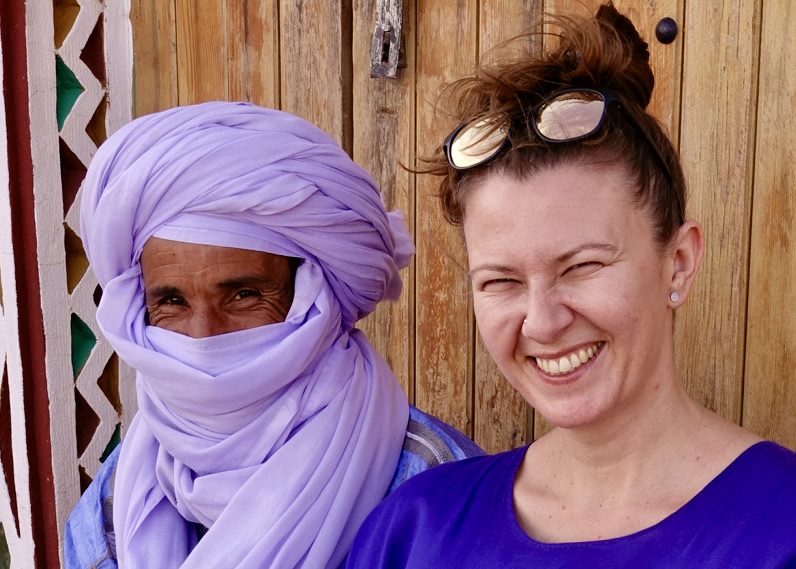
Mohamed grew up in M’hamid El Ghizlane, guiding camel caravans and 4×4 expeditions for over 20 years. Agata joined after falling in love with the desert’s silence, culture, and authenticity. Together, we created Desert Stories and Desert Camp Chraika — an eco-friendly, locally rooted camp. Our mission is simple: to share the real Sahara through meaningful, safe, and honest desert experiences.

about us
Table of contents

Read more

Create a Fully Tailored Experience

Choose from our highest-rated tours crafted for unforgettable memories, or design a custom trip that matches your interests, pace and style. Whether you want nature, culture or adventure — we’ll shape the perfect itinerary just for you.