Top 10 essential tips for an unforgettable journey to Morocco

Travelling to Morocco?
Enjoy our Morocco travel starter pack

Nestled at the crossroads of Europe and Africa, Morocco is a vibrant tapestry woven from rich history, diverse cultures, and stunning landscapes. From the bustling souks of Marrakech to the serene dunes of the Sahara, every corner of this enchanting country invites exploration and wonder. But with so much to see and do, planning an unforgettable trip can feel overwhelming. That’s where we come in! In this guide, we’ll share the top 10 essential tips to enhance your Moroccan adventure, ensuring you navigate everything from local customs to hidden gems with ease and confidence. Whether you’re a first-time traveler or a seasoned explorer, these insights will help you dive deeper into Morocco’s unique charm, making your journey as rich and rewarding as the country itself. Get ready to embrace the sights, sounds, and flavors of Morocco like never before!

Best time to visit Morocco

Choosing the best time to visit Morocco can significantly enhance your travel experience, as the country’s climate varies widely across its different regions. Generally, the spring months from March to May and the fall months from September to November are considered the most favourable times to explore Morocco. During these periods, the weather is typically mild and pleasant, making it ideal for sightseeing and outdoor activities. The landscapes are lush and vibrant in spring, while the fall offers a more relaxed atmosphere with fewer tourists.

Summer, which spans from June to August, brings scorching temperatures, particularly in the interior and desert areas like Marrakech and the Sahara. However, the coastal cities such as Casablanca and Essaouira benefit from the cooling Atlantic breezes, making them more bearable during the hot summer months. If you plan to visit during this time, it’s best to schedule activities for the early morning or late afternoon and take advantage of the cooler evenings.

Winter, from December to February, sees a drop in temperatures, especially in the Atlas Mountains and the northern regions where snowfall is common. This season is perfect for those interested in exploring the snow-capped peaks or enjoying winter sports. However, coastal areas and cities like Marrakech remain relatively warm and are quite pleasant for sightseeing. Regardless of the season, always check local weather forecasts and plan accordingly to ensure a comfortable and enjoyable trip.

Essential packing list for Morocco

Packing for a trip to Morocco requires thoughtful consideration, as the country’s diverse climates and cultural norms will influence what you need to bring. Start with versatile clothing that can be layered to adapt to varying temperatures. Lightweight, breathable fabrics are ideal for the warmer months, while a warm jacket and layers are essential for cooler evenings and winter travel. Remember that Morocco is a predominantly Muslim country, so modest clothing is appreciated, especially when visiting religious sites. Women may want to bring a scarf to cover their heads in such places.

Comfortable walking shoes are a must, as you’ll likely spend a lot of time exploring the bustling medinas, ancient ruins, and scenic landscapes. A pair of sandals or flip-flops can be useful for the beach or relaxing at your accommodation. Don’t forget essentials like sunglasses, a hat, and sunscreen to protect yourself from the strong Moroccan sun. Additionally, a reusable water bottle will help you stay hydrated, especially in the hotter regions.

Other important items include a small first aid kit with basic medications, toiletries, and any prescription medicines you may need. A universal travel adapter and portable charger are also handy, as you’ll want to keep your electronic devices powered for navigation and capturing memories. Lastly, bring a sturdy daypack for your daily excursions to carry your water, snacks, camera, and any souvenirs you pick up along the way. Packing smartly will ensure you’re prepared for all the adventures Morocco has to offer.

Navigating Moroccan culture and customs

Understanding Moroccan culture and customs is key to having a respectful and enriching travel experience. Morocco is known for its warm hospitality, and locals often go out of their way to make visitors feel welcome. One of the first things you’ll notice is the importance of greetings; a simple “Salam Alaikum” (peace be upon you) followed by a handshake or a right-hand-to-heart gesture is customary. It’s polite to greet everyone when entering a room, shop, or meeting new people.

Respect for local customs and traditions is crucial. This includes dressing modestly, especially in rural areas and when visiting religious sites. For women, this means covering shoulders and knees, and men should avoid wearing shorts in conservative settings. Public displays of affection are also frowned upon, so it’s best to be discreet. When invited to someone’s home, it’s customary to bring a small gift, such as pastries or tea, and remove your shoes before entering. Sharing a meal is a common way to bond, and you’ll often be encouraged to eat with your right hand.

Tipping is a common and appreciated gesture in Morocco — it’s not just about money, but a way of showing respect and gratitude, and an important part of local travel etiquette.

👉 Check our detailed guide on Tipping in Morocco.

Another important aspect of Moroccan culture is its vibrant market life. The souks, or markets, are bustling hubs of commerce and social interaction. Bargaining is not only expected but also part of the experience. Approach haggling with a friendly and respectful demeanor, and don’t be afraid to negotiate prices. Additionally, be mindful of local etiquette, like using your right hand for transactions and not pointing with your index finger. By showing respect and understanding for Moroccan customs, you’ll forge deeper connections and gain a more authentic experience.

What should I wear during my Morocco trip?

Comfortable, light clothing is best — cotton or linen for the day and a jacket for cooler evenings.
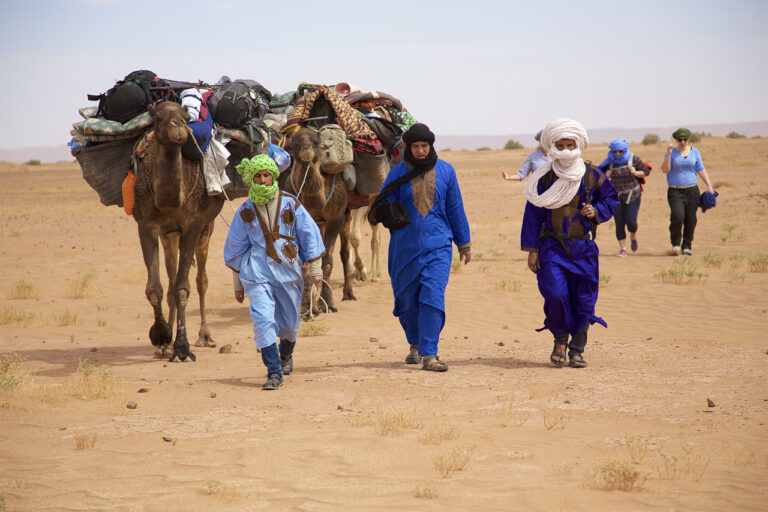
During your Morocco tour, modest dress is appreciated: cover shoulders and knees in towns and villages. A scarf or turban is useful in desert regions.

Must-visit destinations in Morocco

Morocco is a land of diverse landscapes and rich history, offering a multitude of must-visit destinations that cater to all types of travelers. Marrakech, the “Red City,” is a vibrant starting point with its bustling Jemaa el-Fnaa square, historic palaces, and lush gardens. The medina, a UNESCO World Heritage site, is a maze of narrow alleys filled with souks, artisan workshops, and traditional riads. Don’t miss the stunning Bahia Palace and the serene Majorelle Garden, once owned by Yves Saint Laurent.

Fes, another imperial city, is renowned for its well-preserved medieval architecture and cultural heritage. The Fes el-Bali medina, also a UNESCO World Heritage site, is one of the largest car-free urban areas in the world. Here, you can explore ancient madrasas, bustling tanneries, and the world’s oldest continuously operating university, Al Quaraouiyine. The city’s rich history is palpable in every corner, making it a fascinating destination for history buffs and culture enthusiasts.

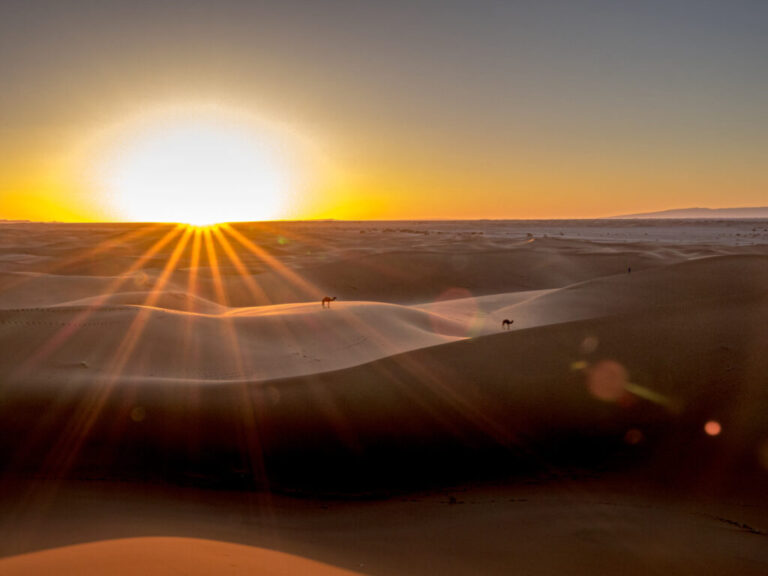
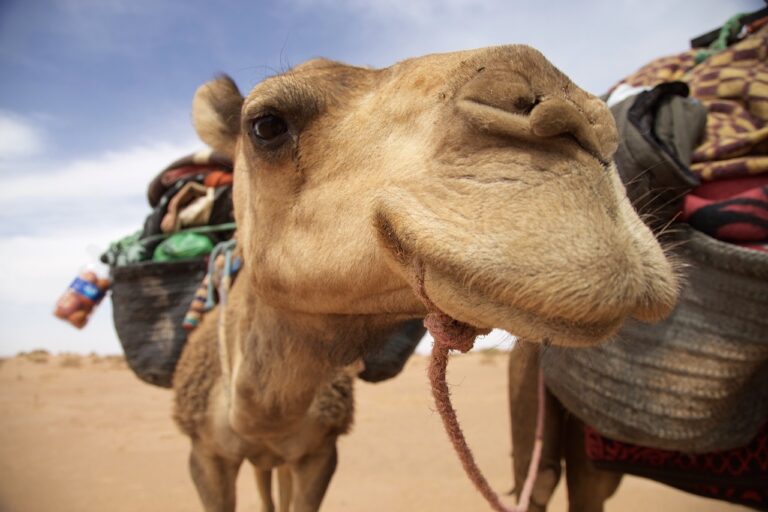
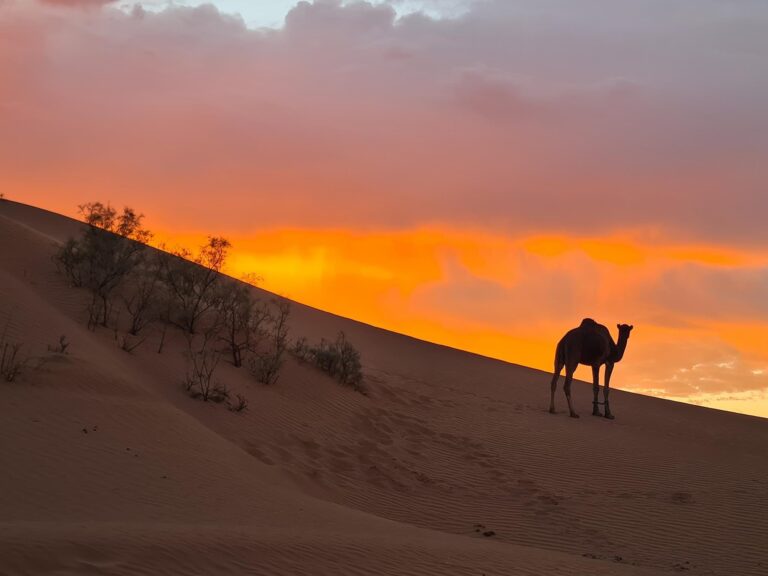
For nature lovers, the Atlas Mountains and the Sahara Desert offer unparalleled beauty and adventure. The High Atlas region is perfect for trekking, with picturesque Berber villages and breathtaking vistas. The Sahara, with its towering dunes and star-filled skies, provides a once-in-a-lifetime experience. Camel treks and overnight stays in desert camps allow you to immerse yourself in the tranquility and timelessness of this vast landscape. Whether you’re exploring ancient cities or natural wonders, Morocco’s diverse destinations promise unforgettable memories.

Choose your desert destination:

Culinary delights: what to eat in Morocco

Moroccan cuisine is a tantalising blend of flavours and aromas, influenced by Berber, Arab, and Mediterranean traditions. One of the most iconic dishes is tajine, a slow-cooked stew named after the earthenware pot in which it’s prepared. Tajines come in various combinations, such as lamb with prunes, chicken with preserved lemons and olives, or vegetable medleys, each offering a unique taste experience. The slow-cooking method ensures that the ingredients are tender and infused with a rich blend of spices.

Couscous, Morocco’s national dish, is another must-try. This versatile dish is made from steamed semolina grains and is typically served with a hearty mix of vegetables, meat, or fish. Fridays are traditionally couscous day in Morocco, and many families gather to share a communal meal after the Jumu’ah prayers. The dish is often accompanied by a flavourful broth and garnished with caramelised onions and raisins, adding a touch of sweetness to the savoury base.

Street food is an integral part of the Moroccan culinary scene, offering a variety of delicious and affordable options. Don’t miss out on trying a freshly baked khobz (traditional bread) or msemen, a flaky, layered flatbread often served with honey or jam. For a heartier snack, sample a bowl of harira, a rich soup made with tomatoes, lentils, chickpeas, and spices, commonly enjoyed during Ramadan. Moroccan pastries, such as the honey-drenched chebakia or almond-filled briouats, provide a sweet end to any meal. Exploring Moroccan cuisine is a journey in itself, offering a delightful taste of the country’s rich culinary heritage.

Planning a trip to Morocco?
Contact us to create your perfect Morocco tour.

Discover hidden spots, local culture and authentic experiences tailored to your travel style. We organize private and group trips across Morocco with trusted local guides. Tell us what you dream of — we’ll turn it into a unique journey you’ll never forget.

Tips for bargaining in Moroccan markets

Bargaining in Moroccan markets, or souks, is an art form that can be both fun and rewarding. The first rule of thumb is to approach haggling with a positive and respectful attitude. Start by greeting the vendor with a friendly “Salam Alaikum” and take the time to show genuine interest in the items you’re considering. Building a rapport can often lead to better prices and a more enjoyable experience.

When it comes to the actual negotiation, it’s important to have a general idea of the item’s value before you start. Vendors often quote higher prices initially, anticipating that buyers will haggle. As a rule of thumb, you can usually offer about half of the asking price and work your way up from there. Be prepared to walk away if the price doesn’t meet your expectations; this can sometimes prompt the vendor to lower their price further. However, always remain polite and respectful, as haggling should be a friendly exchange rather than a confrontation.

Cash is king in the souks, so make sure to have smaller denominations of the local currency, Moroccan dirhams, on hand. This makes transactions smoother and can help in negotiating a better deal. Remember that bargaining is not just about getting the lowest price but also about the experience and interaction. Enjoy the process, and don’t be afraid to strike up conversations with the vendors—they often have fascinating stories to share about their products and culture. Successful bargaining in Moroccan markets is a skill that enhances your travel experience and helps you connect more deeply with the local way of life.

Safety tips for travellers in Morocco

While Morocco is generally considered a safe destination for travellers, it’s always wise to take certain precautions to ensure a smooth and enjoyable trip. One of the most important safety tips is to stay aware of your surroundings, especially in crowded places like markets, public squares, and transportation hubs. Petty theft, such as pickpocketing, can occur, so keep your valuables secure and avoid carrying large sums of cash. Using a money belt or a concealed pouch can help keep your important documents and money safe.

When it comes to transportation, always choose reputable services. Licensed taxis, identifiable by their distinctive colors and taxi signs, are generally safe, but it’s a good idea to agree on the fare before starting your journey. If you’re renting a car, be mindful of local driving habits and road conditions, which can be challenging, especially in rural areas. Public transportation, such as trains and buses, is widely used and usually safe, but keep an eye on your belongings, particularly during busy travel times.

Health and personal safety are also crucial aspects to consider. Make sure to drink bottled or filtered water to avoid any stomach issues, and be cautious with street food if you have a sensitive stomach. It’s also advisable to have travel insurance that covers health care in case of emergencies. Lastly, respect local customs and laws, which include dressing modestly and avoiding public displays of affection. By following these safety tips, you can enjoy all that Morocco has to offer with peace of mind and confidence.

Transportation options within Morocco

Navigating Morocco’s diverse landscapes and bustling cities requires an understanding of the various transportation options available. One of the most convenient ways to travel between major cities is by train. The national railway company, ONCF, provides reliable and comfortable services connecting cities like Casablanca, Rabat, Fes, and Marrakech. Trains are generally punctual and offer different classes, with first-class tickets providing more comfort and reserved seating. The high-speed train, Al Boraq, connects Tangier to Casablanca, significantly reducing travel time.

For more remote destinations or flexible travel, buses are an excellent option. Companies like CTM and Supratours operate extensive networks covering most of the country, including routes to smaller towns and tourist attractions. Buses are usually affordable and relatively comfortable, with air-conditioned coaches available on longer routes. Booking tickets in advance is recommended, especially during peak travel seasons. For shorter distances, shared taxis, known as “grand taxis,” are a common mode of transport. These can be a bit crowded but offer a more local experience and can be a quick way to reach nearby towns.

Car rental is another viable option for those who prefer the freedom to explore at their own pace. Major rental agencies operate in Morocco, and having your own vehicle allows you to venture off the beaten path. However, be prepared for varying road conditions and local driving customs. In cities, “petit taxis” are a convenient way to get around, but always ensure the meter is running or agree on a fare beforehand. With a range of transportation options available, getting around Morocco can be both efficient and enjoyable, allowing you to experience the country’s rich diversity to the fullest.

Embrace the magic of Morocco

Morocco is a country that captivates and enchants, offering a rich tapestry of experiences that cater to every kind of traveler. From the maze-like medinas and vibrant markets to the serene deserts and majestic mountains, there’s a sense of magic that permeates every aspect of Moroccan life. By following these essential tips, you can navigate the cultural nuances, savour the culinary delights, and explore the stunning landscapes with confidence and ease.

The key to an unforgettable trip lies in immersing yourself fully in the local culture and traditions. Respect the customs, engage with the locals, and be open to the unexpected. Whether you’re haggling for treasures in the souks, sipping mint tea in a traditional riad, or gazing at the stars in the Sahara, each moment in Morocco is an opportunity to create lasting memories. The warmth and hospitality of the Moroccan people will make you feel at home, and the country’s diverse beauty will leave you in awe.

As you plan your journey, remember that Morocco is more than just a destination; it’s an experience that stays with you long after you’ve returned home. Embrace the sights, sounds, and flavours that make Morocco unique, and you’ll find that this enchanting country offers a truly transformative travel experience. So pack your bags, open your heart to adventure, and get ready to embark on a journey that will leave you spellbound. Morocco awaits, with its timeless charm and endless wonders.

Desert Stories - Agata & Mohamed

Mohamed grew up in M’hamid El Ghizlane, guiding camel caravans and 4×4 expeditions for over 20 years. Agata joined after falling in love with the desert’s silence, culture, and authenticity. Together, we created Desert Stories and Desert Camp Chraika — an eco-friendly, locally rooted camp. Our mission is simple: to share the real Sahara through meaningful, safe, and honest desert experiences.

about us
Table of contents

Read more

Create a Fully Tailored Experience

Choose from our highest-rated tours crafted for unforgettable memories, or design a custom trip that matches your interests, pace and style. Whether you want nature, culture or adventure — we’ll shape the perfect itinerary just for you.